
Planning
Annual Golf Club Tournament in Vietnam: Host Guide
A complete event framework for club captains and social committees, covering course rotation, tee blocks, handicaps, scoring, transport, presentations and contingency planning.
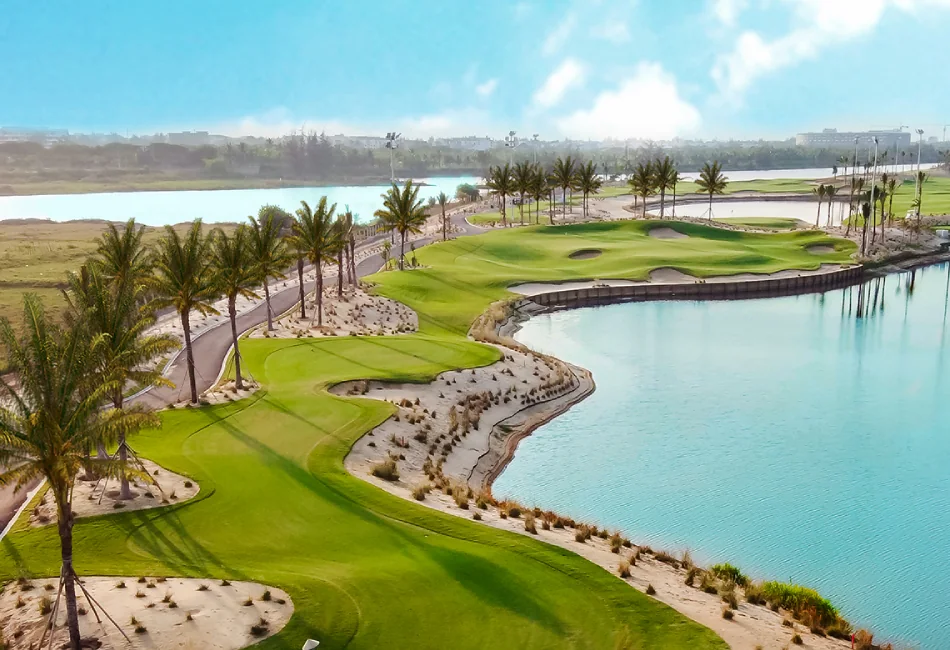
An annual away tournament needs two plans operating together. The golf plan covers courses, formats, handicaps, pairings and results. The travel plan covers rooms, flights, meals, bags and transport. If these are built separately, the tee sheet may conflict with breakfast, checkout or the presentation dinner. One master event schedule avoids that problem.
Central Vietnam is an efficient host region because four championship courses can be played from one hotel. A field of 12 to 40 golfers is practical. Twelve players require three consecutive tee times. Forty require ten and much earlier contracting. Bigger fields are possible, but may need a shotgun or split start that depends on course approval.
Stableford is the strongest base format for an international club event. It protects pace, contains the damage from one unfamiliar hole and works across mixed handicaps. A team aggregate running beside the individual competition keeps more golfers involved through the final round.
Build the Tournament Brief Before Requesting Prices
The brief should state event dates, estimated field, handicap system, number of rounds, hotel level, room split, presentation needs and whether non-golfers attend. Add a decision deadline and one authorised contact. Suppliers cannot hold premium tee blocks against an open-ended estimate.
Separate firm requirements from preferences. Consecutive morning tee times may be essential. A particular first-hole start or private dining room may be preferred. This distinction helps ASEAN LINKS protect the elements that determine whether the event works.
Appoint a tournament director and a travel captain, even if one person fills both roles. The director owns rules and results. The captain owns room and flight changes. Jerram Chudleigh can advise on course order, tees and local rules from a PGA perspective.
Set an entry cutoff that leaves time to contract the final tee block. Keep a short reserve list for withdrawals and state how replacements affect rooms, transfers and handicap eligibility. One late player change touches several suppliers, so it needs a controlled approval path.
Four-Round Central Vietnam Course Rotation
Round 1: Montgomerie Links
Montgomerie Links is a fair opening venue. The layout asks for positional driving and sensible approaches without the maximum coastal exposure. Run an individual stableford and low-pressure team event.
Round 2: Legend Danang
The Nicklaus Course is visually clear for spectators and event photography, with water and bulkheads shaping the strategy. The Norman Course offers firmer dune golf. Choose one according to the field rather than the organiser’s personal favourite.
Recovery day
Place a no-golf day after two rounds. It supports Hoi An, partner activities and weather resilience. The scoring team can also publish standings and resolve any handicap questions before the final stages.
Round 3: Hoiana Shores
Hoiana is the feature coastal test. Use stableford and place nearest-the-pin contests only on holes approved by the course. Wind can increase scoring spread, so this is a strong moving day.
Round 4: Ba Na Hills
Ba Na provides a distinctive mountain final. Allow longer warm-up for elevation and uneven lies. Keep the presentation several hours after the expected finish so results can be verified without rushing dinner.
Formats, Handicaps and Written Rules
Publish a one-page conditions-of-competition document before departure. It should cover handicap index date, course handicap calculation, maximum playing handicap, tee markers, countback, local rules, unfinished holes and pace expectations.
A practical four-round structure uses the best three individual stableford scores for the overall title. This allows one poor day without removing the importance of consistency. The team event can count the best two scores from each fourball daily, then aggregate across all rounds.
Use official course slope and rating information on the day. Do not copy an old course-handicap table. If multiple tees are used, apply the current competition procedure and state it clearly. The rules committee should resolve questions before the presentation.
Side events need boundaries. One nearest-the-pin and one accurate-drive contest per round are manageable. A long-drive hole should have a fairway wide enough to be safe and meaningful for the field.
Pairings, Starts and Pace of Play
Use seeded or balanced pairings for the first two rounds, then a leaders draw for the final. Avoid rebuilding every group from scratch daily. Pairing continuity helps players reach the vehicle and tee on time.
Consecutive tee times are easiest to control. A shotgun start can reduce the event window, but it requires course approval, sufficient field size and more coordination. Split tees may be available at some venues but should never be assumed.
Publish pickup, first tee, final tee and expected return time. A 40-player field may take more than two hours to clear the first tee. Post-round transport should account for the last group, not the first.
Set a maximum score under the chosen format and ask golfers to keep pace with the group ahead. Caddies assist with local procedure, but the tournament director remains responsible for event rules.
Scoring, Prizes and the Final Presentation
Use one approved score source. Players should check and sign the required card, then the scoring desk records it. Photographing cards provides a backup. A social messaging screenshot is not the official result.
Publish daily standings after verification. Show overall leaders, team positions and side-event winners. Protect participant data by using preferred names or member numbers where appropriate.
Keep prizes transportable. Large trophies create baggage problems. Engraved medals, compact awards or a reusable club trophy are more practical. Confirm customs or airline issues for valuable items before travel.
Reserve the presentation space, menu, microphone and screen in advance. Build at least two hours between the last expected finish and dinner. Include dietary and non-alcoholic options in the venue brief.
Rooms, Transfers and Contingency Planning
The rooming list needs passport name, bedding, sharing partner, arrival flight, departure flight and dietary note. Set one final-update date. A late replacement affects the hotel, transfers and competition field at the same time.
Vehicle planning starts with golf bags. Ten fourballs can require a coach and luggage support. The airport movement has more luggage than course days. One transport manifest should list passengers, clubs, suitcases and travel covers.
Build a weather hierarchy before travel: delayed start, adjusted format, shortened round or replacement activity. Course closure decisions belong to the course. The event committee should know how scoring changes if fewer than the planned rounds are completed.
Travel and event insurance should reflect deposits, participant age mix and pre-paid services. Emergency contact information and medical notes should be handled through an appropriate secure process.
The final run sheet should include supplier contacts, driver details, first and last tee times, scorer location, presentation access and weather decision points. Provide the captain with an offline copy in case mobile service is interrupted.
Tournament Delivery by ASEAN LINKS
The LINKS Central holiday provides the right four-course base. ASEAN LINKS can convert it into a private tournament with consecutive tee times, private transfers, rooming control, scoring requirements and presentation dining.
PGA Professional Jerram Chudleigh can help create the conditions of competition, select tees and host a round or final. Send the event brief through the ASEAN LINKS contact page to receive a dated proposal with inclusions and decision points.
Frequently asked questions
Annual Club Tournament FAQs
How many golfers are needed for a Vietnam club tournament?
Twelve to 40 is a practical range for consecutive tee times. Larger fields may require a shotgun or split start, subject to course approval.
What is the best tournament format?
Individual stableford with a team aggregate works well for mixed handicaps and unfamiliar courses. A best-three-of-four scoring rule can protect the overall event.
Can the group use different tees?
Yes. Use current course ratings, slopes and competition procedures. The written rules should explain how multiple tees affect scoring.
Can ASEAN LINKS manage scoring and presentation logistics?
Yes. The event brief can include pairings, scoring workflow, result sheets, dining space and presentation timing.
Can Jerram Chudleigh act as tournament host?
Yes, subject to availability. Jerram can advise on course setup, formats, pace and host a round or final presentation.
Sources and updates
Course specifications and operating information were checked against the club’s official material and the supporting sources below. Conditions, policies and travel times can change, so ASEAN LINKS reconfirms the important details before travel.
Your club, one event plan
Build the away tournament around real tee blocks
Send Jerram the dates, field estimate and tournament brief. ASEAN LINKS will return a course rotation, room plan, private transport specification and event operating schedule.